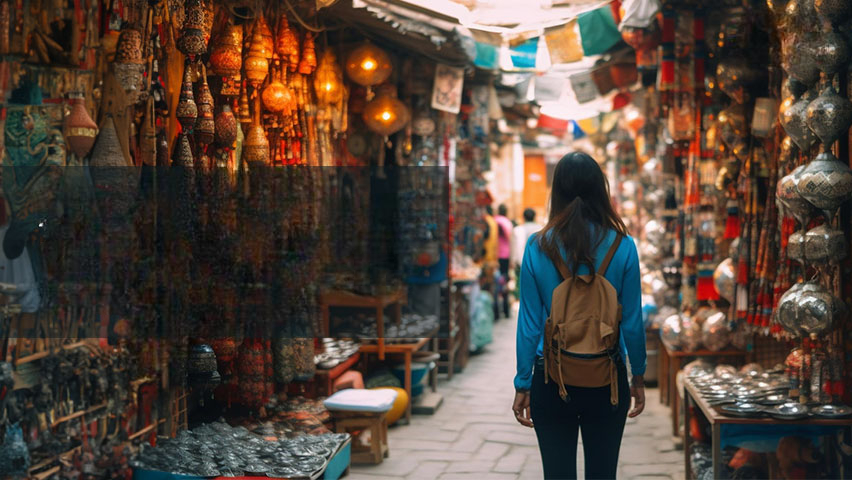
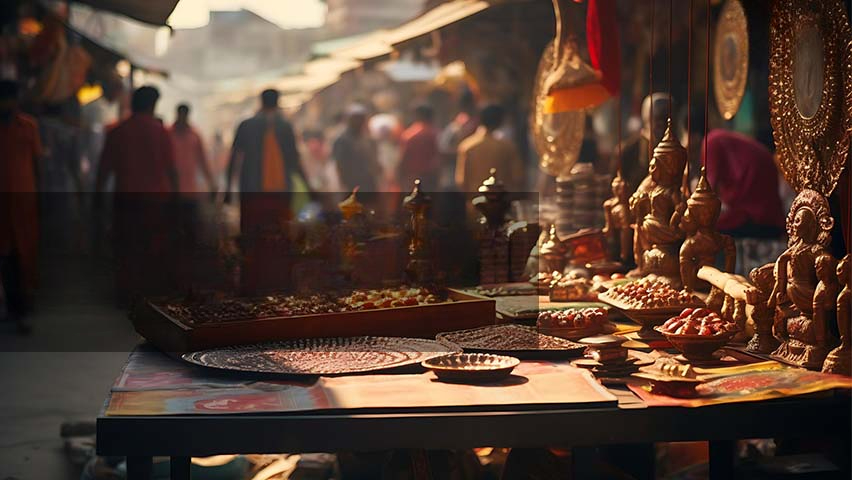
Ayodhya, Lord Ram's birthplace and one of the most sacred cities in India, has now become the center of spiritual tourism. Apart from temples, ghats, and spiritual atmosphere, Ayodhya provides something as magical — shopping. Shopping in Ayodhya is not only about taking an object home; it is about taking an experience, a piece of heritage, and the spirit of devotion home. Whether you are a pilgrim looking for holy artifacts or a traveler interested in local craftsmanship, Ayodhya's markets guarantee a colorful blend of art and spirituality.
This guide will take you through what to purchase, where to get it, and how to shop responsibly so that your souvenirs are not just objects — they are Ayodhya stories.
Why Shopping in Ayodhya Feels Different
Unlike contemporary shopping centers, Ayodhya's bazaars are infused with tradition and divinity. You will see that the majority of merchandise is connected to the city's spiritual energy or local craftsmanship. Shopping here is distinct due to three reasons:
- Spiritual depth: Idols, malas, lamps, and incense hold devotional energy from the sacred city.
- Cultural craftsmanship: Local artisans maintain centuries-old traditions in woodcarving, brasswork, textiles, and pottery.
- Living heritage: Shopping at Ayodhya helps continue traditions, keep families afloat, and save art forms on the verge of extinction.
By shopping here, you don't merely shop — you become an active part of keeping Ayodhya's culture intact.
What to Shop in Ayodhya
Strolling down Ayodhya's crowded streets, you'll see shops that are packed with color, perfume, and faith. Here are the souvenirs and handicrafts most visitors and pilgrims enjoy taking back home:
1. Religious Idols and Statues
The most famous souvenir, maybe, is idols of Lord Ram, Sita, Lakshman, and Hanuman that fill the markets. They are made of marble, brass, sandalwood, and even resin at times. Go for smaller idols for ease of travel, but check detailing well.
Marble provides a cool, glossy appearance, or warmth and longevity in brass. Look out for simple resin idols to cost a few hundred rupees, whereas intricately carved marble statues may cost several thousand.
2. Tulsi and Rudraksha Malas
Ayodhya is famous for prayer beads used by pilgrims for chanting and meditation.
Tulsi malas are revered by Lord Ram and Krishna devotees, and rudraksha beads are valued for their spiritual value.
Ensure the beads are smooth, nicely threaded, and genuine.
Small malas can cost as little as ?50-?400, while those with silver or brass caps are more costly.
3. Incense, Chandan, and Fragrances
The scent of Ayodhya lingers long after you've returned. Dhoop cones, sandalwood pastes, and incense sticks are staple buys.
Choose natural perfumes free of synthetic additives.
Chandan paste ornamental small gift boxes also make gracious gifts.
Prices begin around ?50 and rise based on quality.
4. Clothing and Textiles
Bazaars are filled with kurtas, sarees, and dupattas that have block prints, hand embroideries, or Ramayana-inspired motifs on them.
Cotton fabrics are light and travel-friendly, and silk mixtures are ideal for gift-giving.
Inspect fabric under good lighting to check for quality stitching and real printwork.
Simplistic dupattas begin with ?500, but fancy sarees may run into several thousands.
5. Brass and Metal Pooja Items
From diyas and bells to kalash and thalis, brassware is a lovely combination of function and creativity.
Insist on smooth finishing with no sharp edges.
Lacquered brass is more maintenance-friendly, whereas raw brass is more natural-looking.
Small items are simple to pack, whereas heavy pieces usually require shipping.
6. Wooden Carvings and Miniature Temples
Temple replicas, photograph frames, or Rama Darbar replicas carved wooden souvenirs highlight local artisans' craftsmanship.
Rosewood and neem wood are popular; their grain provides a natural finish.
Painted carvings can light up homes, but make sure the paint is durable.
Choose light items if you will be flying a lot.
7. Pottery and Terracotta
Terracotta bowls, figurines, and lamps are sweet, particularly around festivals like Diwali.
Check for uneven firing or cracks at all times.
Terracotta hand-painted is a special, inexpensive gift.
8. Books, Art, and Prints
Ayodhya's spiritual center is also expressed in literature and art. Ramayana editions, paintings, and folk art prints are sold by shops.
Pick illustrated Ramayanas, devotional calendars, or signed work by local artists.
Postcards and mini prints are convenient for tourists.
9. Souvenir Models and Replicas
Tiny Ram Mandir models, Rath (chariot) reproductions, or small jhulas (swings) provide symbolic mementos.
Check for detail and durability — resin and MDF are popular materials.
High-end replicas can even have lighting effects.
Where to Buy in Ayodhya
Ayodhya's shopping is focused around its temples and ghats, although there are modern markets in nearby Faizabad that introduce variety too. There is character in every place.
- Ram Ki Paidi Market – Ideal for puja products, incense, malas, and small statues. Visiting here early in the morning makes it less busy and more devotional.
- Chowk Bazaar – One of the oldest, renowned for textiles, jewels, and ornamentations. The rural alleyways have old-world charm.
- Ram Nagar Market – A great spot for a combination of traditional handicrafts and contemporary products, ranging from wood carvings to clothing.
- Kanak Bhawan Temple Shops – Reliable for devotional mementos, books, calendars, and blessed objects.
- Tulsi Smarak Bhawan Market – More cultural in theme, best for books, prints, and artwork.
- Faizabad Main Market – Outside of Ayodhya proper, this market combines modern shopping with traditional handicrafts.
Special Finds and Unique Artisan Works
Ayodhya also possesses some unique souvenirs that tourists must search for:
- Gulabi Meenakari Ram Mandir Replica – A intricately detailed miniature version of the Ram Mandir, made through the use of pink enameling and precious gems.
- Ram Sethu Bandhakala Saree – Sambalpuri saree with motifs illustrating the mythical Ram Sethu.
- Gold Charan Paduka Miniatures – Golden symbolic footprints of Lord Ram created by expert miniature artists.
These are high-end products, but they have exceptional artistry and meaning.
Guidelines for Intelligent and Responsible Shopping
To have a smooth and worthwhile shopping experience, remember these things:
- Check for authenticity – Particularly for rudraksha beads, brass idols, and marble statues.
- Negotiate politely – Bargaining is par for the course in local bazaars, but always value artisans' work.
- Watch size and weight – Bulky brassware or delicate terracotta require special packing.
- Shop during festivals – Special fairs of rare crafts are held during Ram Navami or Deepotsav.
- Opt for artisan stalls – Purchasing directly from craftsmen keeps livelihoods afloat and keeps traditions alive.
Budgeting for Souvenirs
How much should you budget? That depends on your plan:
- For light shopping: A small idol, incense, and a mala — ?300-?1000.
- For moderate shopping: Throw in textiles, wooden carvings, and pooja items — ?1500-?5000
- For generous shopping: Fine idols, sarees, premium brassware, or art — ?5000-?15,000+.
What to Avoid
- Mass-produced plastic or low-quality replicas.
- Fragile items without proper packaging.
- Overpaying in tourist-heavy spots — walk a little further for fairer prices.
- Forgetting customs rules if you’re carrying items abroad.
Making Your Souvenirs Meaningful
- The real value of souvenirs lies in the story behind them. Here’s how to make them special:
- Take pictures with the artisans or record the shop where you purchased the item.
- Select items that relate to your rituals or daily routines, such as malas or lamps.
- Present souvenirs thoughtfully — incense for meditating friends, Ramayana prints for relatives.
- Acquire a few pieces over time, which you can accumulate from every visit.
Sample Shopping Day in Ayodhya
Below's a realistic schedule to enjoy an equilateral shopping day:
- Morning: Begin at Ram Ki Paidi Market for idols and puja materials.
- Mid-morning: Visit Chowk Bazaar for jewelry and fabrics.
- Afternoon: Browse Kanak Bhawan Temple shops for devotional literature and mementos.
- Late afternoon: Go to Tulsi Smarak Bhawan and Ram Nagar Market for artwork and wood crafts.
- Evening: Go back to the ghats if there is a mela or festival market.
Seasonal Shopping Highlights
- Deepotsav: Purchase terracotta diyas and festival decor beneath a thousand twinkling lights.
- Ram Navami: Uncommon handicrafts and idols are shown in temporary booths.
- Local fairs: Exclusive handloom sarees, folk paintings, and music CDs are usually retailed.
Final Thoughts
Shopping in Ayodhya is more than taking things home; it is holding on to the divine memories of a sacred city. Whether you bring home a brass diya, a replica of Ram Mandir, or a scented box of incense, everything carries the vibrations of devotion and art.
So when you shop at Ayodhya, shop consciously. See beyond the tag, hear the artisan's story, and let your souvenir become a bridge between your pilgrimage and your daily life. For here, each idol, each piece of fabric, each lamp is not merely a buy — it's a blessing you can carry home.